
Understanding Hair Care Needs
Effective hair care is not a one-size-fits-all approach; it requires an understanding of individual hair types, conditions, and lifestyles. This comprehensive guide aims to illuminate the path towards optimal hair health, ensuring that each reader can find tailored solutions for their unique hair care needs. For additional insights into hair treatments and products, you may explore https://carbonegroupparrucchieri.it/.
Why Personalized Hair Care Matters
Personalized hair care is essential because everyone's hair has different requirements based on factors such as texture, thickness, and scalp conditions. Understanding your unique hair care needs leads to better results and overall satisfaction. For instance, those with curly hair may benefit from hydrating products that define curls, while straight hair may require lightweight formulas to reduce greasiness.
Common Hair Issues and Solutions
- Dandruff: Often caused by dry scalp or fungal infections, dandruff can be managed with medicated shampoos containing ketoconazole or zinc pyrithione.
- Hair Loss: Causes can range from genetics to stress. Treatments like minoxidil or prescription medications may help, alongside lifestyle changes.
- Split Ends: Regular trims and the use of nourishing oils can minimize and prevent split ends, keeping hair looking healthy.
Identifying Hair Types and Products
Proper hair care starts with accurately identifying your hair type. Hair types generally fall into categories: straight, wavy, curly, and coily. Each type requires different products to enhance its natural beauty. For example, straight hair may need volumizing shampoos, while curly hair often benefits from moisturizing creams.
Essential Hair Care Techniques
Incorporating effective techniques into your daily routine can significantly improve your hair's health and appearance. Let's explore some essential practices that should be part of your hair care regimen.
Daily Hair Care Routines
A solid daily hair care routine includes washing, conditioning, and styling. It is crucial to choose a shampoo suited to your hair type and condition. For example, those with oily hair may opt for a clarifying shampoo, while dry hair types should choose a hydrating formula. Conditioning is also vital; applying conditioner from mid-length to the ends helps retain moisture and improve manageability.
Deep Conditioning and Treatments
Deep conditioning treatments can enhance hair moisture, especially for those with damaged or color-treated hair. Incorporating a deep conditioning mask once a week can restore essential nutrients and improve shine. Look for products that contain protein or natural oils for the best results.
Understanding Color Treatment Care
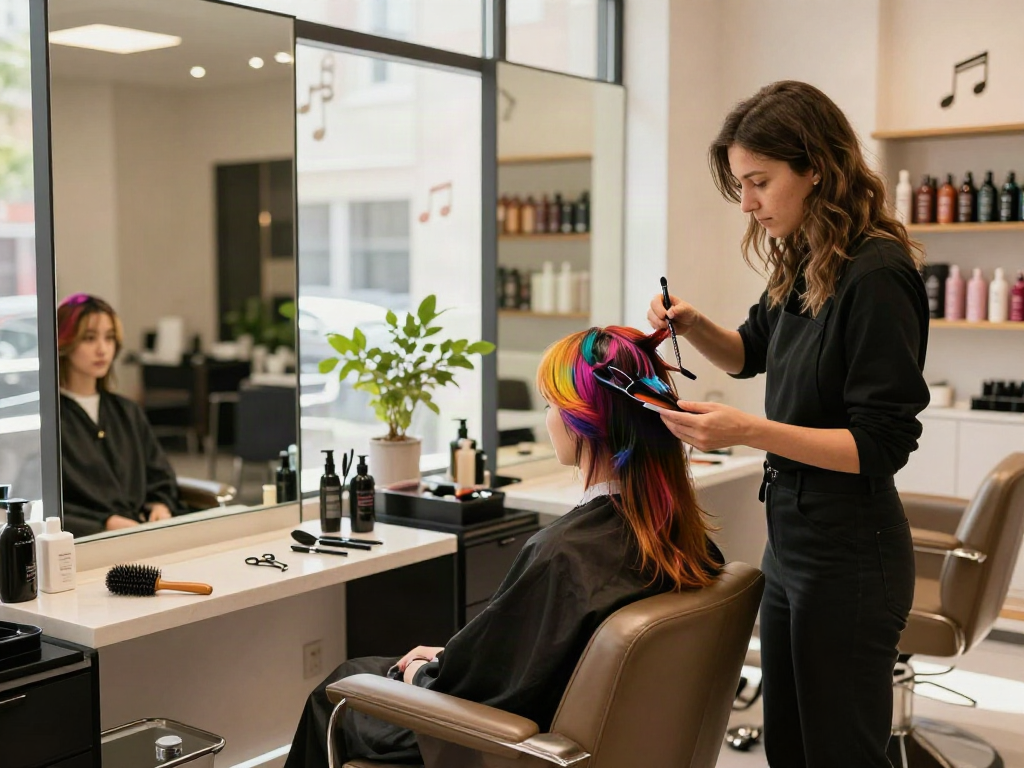
Color-treated hair demands special attention to maintain vibrancy and health. Use sulfate-free shampoos specifically designed for color-treated hair to avoid fading. Regular touch-ups and the use of leave-in conditioners can help preserve the integrity of your color, ensuring long-lasting beautiful results.
Choosing the Right Products
The market offers a plethora of hair care products, making it overwhelming to choose the right ones. However, understanding the differences between professional and drugstore products can simplify your decision-making process.
Professional vs. Drugstore Products
While drugstore products are often more affordable and easily accessible, professional-grade products typically offer higher concentrations of active ingredients and are tailored for specific hair issues. Investing in professional products can lead to better long-term results, especially for those with specific hair concerns.
Natural Ingredients for Healthy Hair
In recent years, there's been a surge in demand for natural hair care products. Ingredients like argan oil, coconut oil, and shea butter provide essential nourishment and protection without harsh chemicals. Opting for products with these natural ingredients can promote healthier hair while minimizing exposure to synthetic additives.
Product Recommendations for 2026 Trends
As we head into 2026, some of the trending hair care products include scalp scrubs, multi-purpose oils, and customized serums. Brands that focus on sustainability and eco-friendly packaging are also gaining popularity, reflecting a growing consumer preference for environmentally responsible choices.
Salon Services Overview
Visiting a salon can be an excellent way to maintain healthy hair. Understanding the services offered and the benefits they provide is key to maximizing your salon experience.
Popular Treatments and Their Benefits
Popular salon treatments include Brazilian blowouts, keratin treatments, and color corrections. Treatments like these can provide lasting effects, such as frizz reduction or color vibrancy, ensuring hair looks its best for an extended period.
Understanding Consultations and Customizations
Consultation is a vital aspect of salon services. It allows your stylist to assess your hair needs and develop a personalized treatment plan. Customization options can include variations in color placement, texture treatments, and even product recommendations tailored to your specific hair type.
What to Expect During Your Salon Visit
During a salon visit, you can expect a welcoming environment, where your stylist will perform a thorough assessment of your hair. They may ask about your current hair care routines and concerns, ensuring that the service you receive is precisely what you need for optimal hair health.
Future Trends in Hair Care
The hair care industry is evolving rapidly, with new techniques and technologies shaping the way we care for our locks. Staying informed about these trends can help you adapt your hair care routine effectively.
Innovative Techniques and Services on the Rise
One of the most exciting trends is the arrival of personalized hair care regimens utilizing AI technology. Brands are increasingly adopting algorithms to create customized products based on individual hair analysis, leading to more effective treatments.
The Role of Technology in Hair Care
Technology is revolutionizing how we understand and manage our hair. Devices that analyze hair health and condition are becoming more prevalent. These innovations provide insights into moisture levels, scalp health, and hair strength, enabling tailored treatment plans that yield remarkable results.
Environmental Considerations in Hair Products
As awareness of environmental issues grows, more consumers are seeking sustainable and eco-friendly hair care products. Brands are responding by developing biodegradable packaging and formulations free from harmful chemicals, aligning with the values of eco-conscious customers.
What are the best hair care products for 2026?
The best hair care products for 2026 will likely focus on sustainability and personalization. Look for brands that offer tailored solutions based on your hair type and environmental-friendly ingredients that nourish without harsh chemicals.
How often should I get my hair professionally treated?
Most experts recommend scheduling a professional treatment every 6 to 8 weeks, though this can vary based on your hair type and the specific treatment. Regular visits help maintain hair health and manage issues like dryness or color fading.
What are the latest trends in hair color?
Hair color trends for 2026 include rich, deep hues like burgundy and emerald, along with pastel shades that provide a unique twist. Balayage and babylights will continue to be popular, allowing for low-maintenance styles that grow out seamlessly.
How can I maintain healthy hair at home?
Maintaining healthy hair at home involves a combination of proper washing techniques, regular conditioning, and minimizing heat styling. Incorporating a weekly deep-conditioning treatment and using protective products can significantly enhance hair health.
What should I look for in a professional hairstylist?
When selecting a professional hairstylist, look for experience, continuing education, and a portfolio that reflects your desired styles. A good stylist should also be able to provide personalized recommendations based on your hair type and goals.